Smart Roofing Choices: Essential Guide to a Durable Home Roof
A Strong Roof Starts With the Right Installation
A roof may look simple from the ground, yet it performs one of the most important protective functions in any home. Every day, it faces rain, wind, sunlight, temperature changes, and seasonal moisture. When installation is rushed or poorly planned, minor weaknesses can eventually become leaks, structural concerns, and expensive repairs. This is why residential roofing installation services should focus on preparation, suitable materials, accurate installation, and careful finishing. A properly installed roof can improve protection, appearance, energy performance, and long-term value while giving homeowners greater confidence during changing weather conditions.
Understanding Why Professional Installation Matters
A new roof is more than a layer of shingles placed over an existing structure. The complete system can include decking, underlayment, flashing, ventilation components, shingles, and carefully sealed edges. Each element has a specific purpose, and a weakness in one area can affect the performance of the entire roof. Professional installation helps ensure these components work together correctly. Proper measurements and preparation also reduce material waste and installation mistakes. For homeowners, choosing experienced professionals can therefore be an important step toward creating a dependable roofing system designed around the property’s needs and local weather conditions.
Selecting Materials That Match the Property
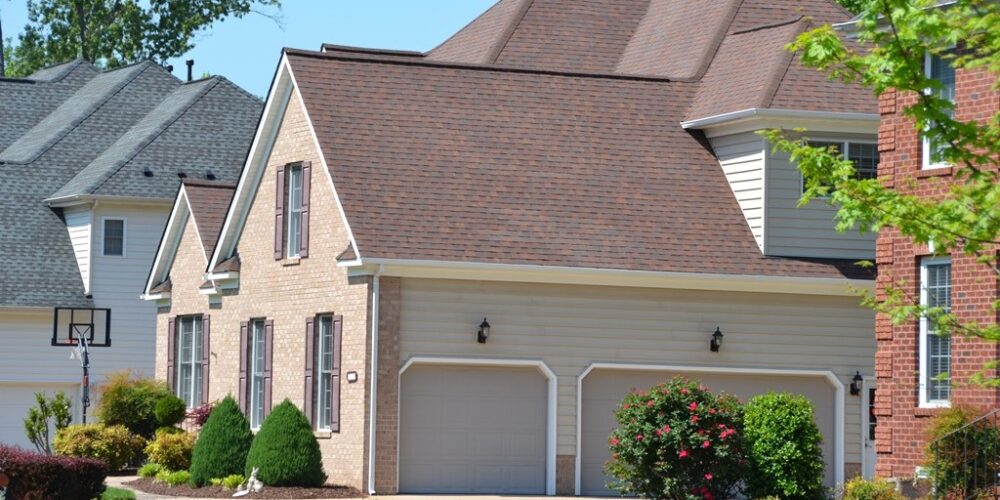
Choosing roofing materials requires more thought than simply selecting a preferred color. Homeowners should consider durability, appearance, maintenance requirements, ventilation, climate, and the architectural style of the property. Asphalt shingles remain a popular option because they offer a practical combination of affordability, visual variety, and relatively straightforward installation. Different shingle designs can also complement traditional, modern, or transitional homes. The selected material should work effectively with the roof structure and surrounding components. A thoughtful decision at this stage can help balance immediate project costs with long-term performance, appearance, and maintenance expectations for the household.
Planning Residential Roof Installation With Care
Effective installation begins before the first shingle reaches the roof. A professional assessment can identify existing damage, deteriorated decking, ventilation concerns, flashing problems, and other conditions that may affect the project. During residential roof installation services, careful planning helps determine the appropriate materials, installation sequence, safety procedures, and finishing details. Measurements should be accurate because every roof has different dimensions, slopes, penetrations, and structural characteristics. A customized approach can prevent unnecessary complications and help establish realistic expectations about project duration, materials, workmanship, and potential additional repairs discovered after the existing roofing system is removed.
The Importance of Proper Roof Ventilation
Ventilation is an often-overlooked part of roofing performance, even though it can influence moisture management and temperature control within the roof assembly. A balanced ventilation system allows air to circulate appropriately through designated intake and exhaust areas. Without suitable ventilation, trapped heat and moisture can contribute to premature material deterioration or moisture-related problems. Professional roof planning should therefore consider existing ventilation components and determine whether improvements are appropriate. Good airflow does not replace quality installation, but it can complement a properly constructed roofing system and support more consistent performance throughout changing seasons and weather conditions.
Flashing and Sealing Protect Vulnerable Areas
Some of the most vulnerable sections of a roof are located around chimneys, skylights, vents, pipes, valleys, and roof edges. These areas require careful attention because water can enter through small gaps when flashing or sealing is improperly installed. Quality workmanship involves positioning flashing correctly and ensuring transitions are properly protected. Sealants may also have an important role where appropriate, although they should never be viewed as a substitute for sound installation practices. Paying close attention to these details can reduce the likelihood of water intrusion and help preserve the roof’s protective function over time.
Inspection and Maintenance Extend Roof Performance
Even a well-installed roof benefits from periodic inspection and maintenance. Leaves, moss, debris, damaged shingles, clogged gutters, and deteriorating flashing can gradually affect roofing performance if ignored. Routine visual checks can help identify developing concerns before they become more complicated. After severe weather, an inspection may be especially useful for identifying displaced shingles or other visible damage. Maintenance should also include keeping drainage pathways clear so water can move away from the roof efficiently. Timely attention to small concerns can support roof longevity and reduce the possibility of unexpected repair expenses.
Making a Confident Roofing Investment
A roofing project should be approached as a long-term investment rather than simply an immediate home improvement expense. Homeowners can make better decisions by comparing detailed estimates, asking about materials, reviewing warranties, confirming contractor credentials, and understanding exactly what the installation includes. The official can provide additional information about available roofing services and project considerations. Krown Homes LLC offers roofing installation and replacement services in the greater Seattle area, with information on its website describing asphalt shingle roofing, inspections, estimates, and related roofing work.
A Roof Built for Lasting Protection
The success of a roofing project ultimately depends on preparation, workmanship, suitable materials, and attention to details that may not be visible from the ground. A strong installation should protect the home from weather while complementing its appearance and supporting dependable performance. Homeowners who understand the importance of inspections, ventilation, flashing, drainage, and maintenance are better positioned to make informed choices. With careful planning and professional execution, a new roof can provide valuable protection for years, making thoughtful installation one of the most worthwhile improvements a homeowner can make.

Comments
Post a Comment